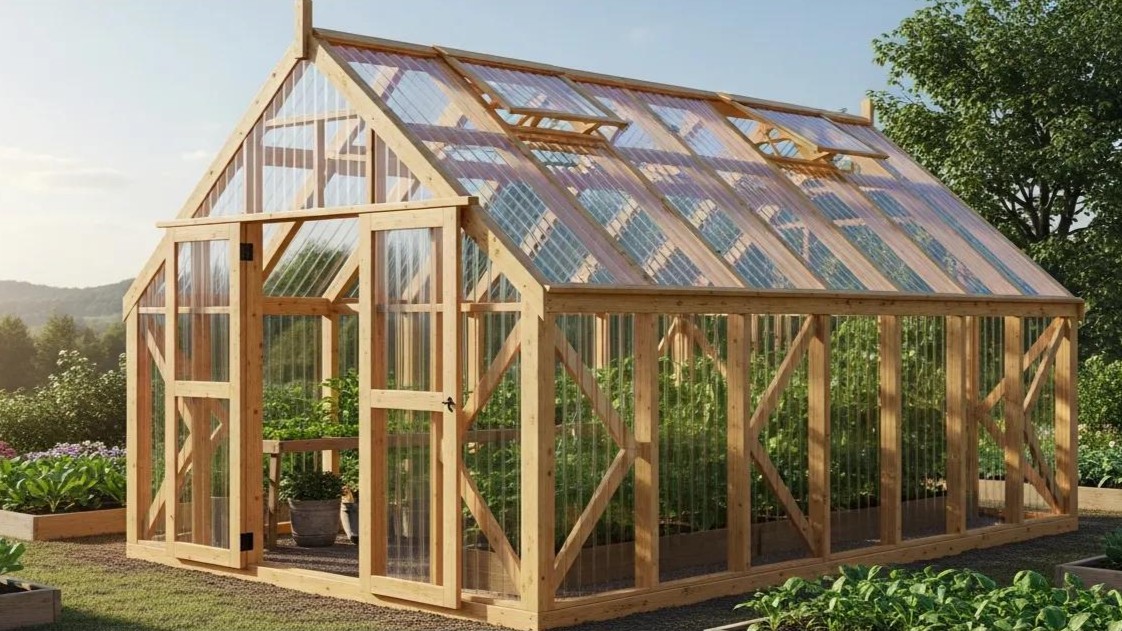
Amish built greenhouses
Durable AmishGreenhouse Kits
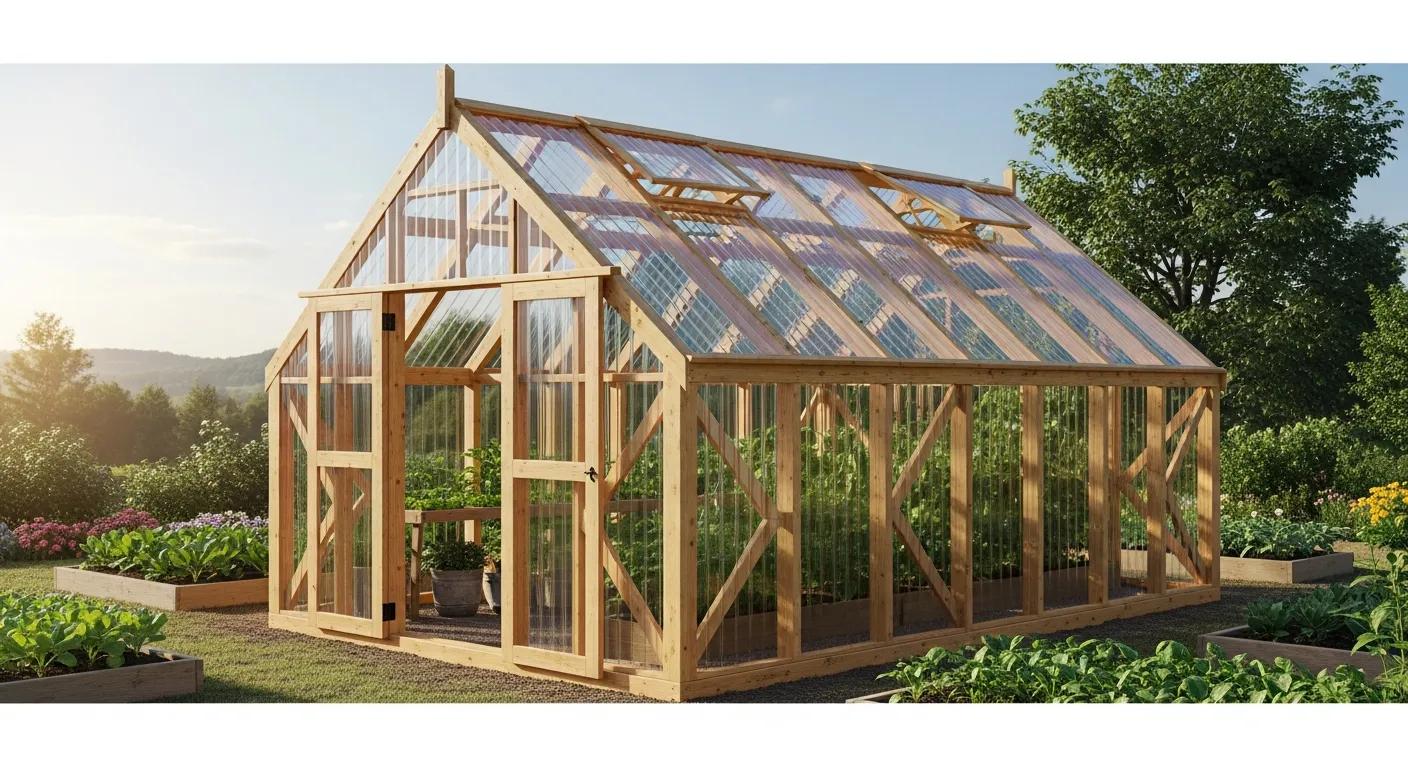
Amish built greenhouses represent a unique blend of traditional craftsmanship and modern sustainability, offering gardeners a durable and energy-efficient solution for their planting needs. These handcrafted wooden greenhouse kits are designed not only to enhance the aesthetic appeal of gardens but also to provide optimal growing conditions for plants. In this article, we will explore the distinctive features of Amish built greenhouses, including their craftsmanship, materials, customization options, installation and maintenance guidelines, energy-efficient designs, and the environmental benefits they offer. By understanding these aspects, you can make an informed decision about incorporating an Amish built greenhouse into your gardening practices.
What Makes Amish Built Greenhouses Unique in Craftsmanship and Materials?
Amish built greenhouses stand out due to their exceptional craftsmanship and the quality of materials used in their construction. The unique aspects of Amish craftsmanship include traditional woodworking techniques that have been passed down through generations, ensuring each greenhouse is built to last. The use of sustainable materials further enhances their appeal, making them a responsible choice for environmentally conscious gardeners.
How Do Traditional Amish Woodworking Techniques Enhance Greenhouse Durability?
Traditional Amish woodworking techniques, such as mortise and tenon joinery, significantly enhance the durability of these greenhouses. This method creates strong, interlocking joints that withstand the test of time and environmental stressors. Additionally, the meticulous attention to detail in the construction process ensures that each greenhouse is not only functional but also aesthetically pleasing, providing a beautiful addition to any garden.
Research further supports the effectiveness of mortise-and-tenon joinery in modern sustainable construction.
Mortise-and-Tenon Joinery for Sustainable Timber Construction The mass timber industry offers a compelling pathway for low-carbon structural systems in buildings, replacing carbon-intensive materials like concrete and steel with sustainably forested wood. However, conventional structural connections in mass timber construction are largely made of metallic materials, such as screws, nails, and plates. In contrast, joinery, or geometrically interlocking all-timber connections, is globally prevalent in historic timber construction. This paper investigates the potential of applying joinery, specifically the “Nuki” mortise-and-tenon joinery connection, to contemporary mass timber construction from perspectives of structural behavior and carbon savings. Mortise-and-tenon joinery for modern timber construction: Quantifying the embodied carbon of an alternative structural connection, D Fang, 2023
Which Sustainable Materials Are Used in Amish Wooden Greenhouses?
Amish wooden greenhouses are constructed using sustainably sourced materials, primarily high-quality wood such as cedar and pine. These materials are chosen for their natural resistance to decay and insects, reducing the need for chemical treatments. The environmental impact of using such sustainable materials is profound, as it minimizes the carbon footprint associated with greenhouse production and promotes responsible forestry practices.
What Types of Custom Wooden Greenhouse Kits Are Available?
Amish built greenhouses come in various custom wooden greenhouse kits designed to meet diverse gardening needs. These kits can be tailored to fit specific garden sizes and styles, allowing for a personalized gardening experience.
How Can You Customize AmishGreenhouse Designs to Fit Your Garden Needs?
Customization options for Amish greenhouses include various sizes, styles, and features. Gardeners can choose from different roof styles, window placements, and door configurations to create a greenhouse that perfectly fits their garden layout. This flexibility ensures that each greenhouse can be adapted to the unique requirements of the gardener, enhancing both functionality and aesthetics.
What Are the Differences Between Standard and Premium Handcrafted Greenhouse Kits?
Standard and premium handcrafted greenhouse kits differ primarily in terms of materials and features. Standard kits typically use basic wood and simpler designs, while premium kits incorporate higher-quality materials, advanced features such as double-pane glass for better insulation, and additional customization options. The price difference reflects the enhanced durability and energy efficiency of premium kits, making them a worthwhile investment for serious gardeners.
How Do You Install and Maintain Amish Built Greenhouses for Longevity?
Proper installation and maintenance are crucial for ensuring the longevity of Amish built greenhouses. Following specific guidelines can help maximize their lifespan and performance.
What Are the Step-by-Step Installation Guidelines for Wooden Greenhouse Kits?
Site Preparation: Choose a level area with adequate sunlight and drainage.
Foundation Setup: Construct a solid foundation using concrete blocks or treated wood to prevent moisture damage.
Assembly: Follow the provided instructions to assemble the greenhouse frame, ensuring all joints are secure.
Roof and Glazing Installation: Install the roof panels and glazing, ensuring proper sealing to prevent leaks.
Ventilation and Door Installation: Add ventilation systems and doors to facilitate airflow and access.
By adhering to these steps, gardeners can ensure their greenhouse is set up for optimal performance.
How Should You Maintain Wooden Greenhouses to Ensure Durability?
Cleaning: Regularly wash the glass panels to maximize sunlight penetration.
Seasonal Checks: Inspect the structure for any signs of wear or damage, particularly after harsh weather.
Repairs: Address any issues promptly, such as replacing damaged panels or reinforcing joints.
These practices will help maintain the greenhouse's integrity and extend its lifespan.
How Do Amish Built Greenhouses Incorporate Energy Efficient Designs?
Energy efficiency is a hallmark of Amish built greenhouses, achieved through thoughtful design and material choices. These greenhouses are constructed to optimize natural light and maintain stable internal temperatures.
What Ventilation Systems Are Used to Optimize Greenhouse Climate?
Amish built greenhouses often feature advanced ventilation systems, including roof vents and side windows that can be opened to promote airflow. This design helps regulate temperature and humidity levels, creating an ideal environment for plant growth while reducing energy costs associated with heating and cooling.
How Does Insulation Improve Energy Efficiency in Wooden Greenhouses?
Insulation plays a critical role in enhancing the energy efficiency of wooden greenhouses. Many Amish greenhouses utilize double-pane glass or insulated panels that minimize heat loss during colder months. This insulation not only helps maintain a stable internal climate but also reduces energy consumption, making these greenhouses a sustainable choice for gardeners.
Why Choose Amish Built Greenhouses for Sustainable and Durable Garden Structures?
When it comes to building a greenhouse that not only supports your gardening passion but also aligns with sustainable practices, Amish-built greenhouses stand out as a top choice. The craftsmanship of the Amish community is renowned for its emphasis on quality and durability, using time-honored techniques that ensure each structure can withstand the test of time and the elements. Unlike mass-produced alternatives, each Amish-built greenhouse is handcrafted, allowing for meticulous attention to detail and customization to fit various gardening needs. This dedication to quality not only results in aesthetically pleasing structures but also significantly reduces the likelihood of repairs and replacements, ultimately leading to a more sustainable investment in your gardening endeavors.
Moreover, Amish-built greenhouses often incorporate sustainable materials, such as responsibly sourced wood and energy-efficient design, aligning perfectly with environmentally-conscious gardening practices. The use of natural materials also means you avoid harmful chemicals typically found in synthetic alternatives, contributing to a healthier growing environment for your plants. Additionally, these structures often feature excellent ventilation and light transmission, optimizing plant growth while minimizing energy consumption. By choosing an Amish-built greenhouse, gardeners not only invest in a durable and reliable structure but also participate in a deeper commitment to sustainability that reflects a harmonious relationship with the land and the values of stewardship that are central to the Amish way of life.
Choosing Amish built greenhouses offers numerous benefits, particularly in terms of sustainability and durability. These structures are designed to last, providing a reliable environment for plants while minimizing environmental impact.
What Are the Environmental Benefits of Using Sustainable AmishGreenhouse Materials?
The use of sustainable materials in Amish greenhouses contributes to a reduced carbon footprint and promotes responsible forestry practices. By opting for these greenhouses, gardeners support eco-friendly manufacturing processes and help preserve natural resources for future generations.
How Do Customer Testimonials Reflect the Quality and Durability of Amish Greenhouses?
Customer testimonials often highlight the exceptional quality and durability of Amish built greenhouses. Many users report satisfaction with the craftsmanship and performance of their greenhouses, noting that they withstand harsh weather conditions and provide a reliable growing environment year-round. This positive feedback underscores the value of investing in a well-constructed greenhouse that meets both aesthetic and functional needs.
Amish built greenhouses not only enhance the beauty of gardens but also provide a sustainable and durable solution for plant cultivation. By understanding the unique craftsmanship, materials, and energy-efficient designs of these greenhouses, gardeners can make a choice that aligns with their values and gardening goals.
About the Author
Jane Smith is a horticulture expert and sustainable gardening advocate with over 15 years of experience in eco-friendly garden design and construction. She specializes in traditional craftsmanship and sustainable materials, helping gardeners create beautiful and environmentally responsible outdoor spaces.