The Greenhouse Gold Rush: Why Smart Entrepreneurs Are Cultivating Revenue in Backyard Agriculture
The Greenhouse Gold Rush: Why Smart Entrepreneurs Are Cultivating Revenue in Backyard Agriculture

Most people see the greenhouse trend as consumers wanting to save money on groceries. They're missing the real story.
This isn't just about homeowners growing tomatoes. This is a shift toward controlled, hyper-local production systems, and the real value isn't in the plants themselves.
The value is in consistency, predictability, and year-round output.
The global residential greenhouse market reached $4.2 billion in 2024 and is expected to hit $8 billion by 2033. Food prices have jumped nearly 25% since 2020, and that pressure isn't going away.
But here's what entrepreneurs overlook: the opportunity isn't in selling produce. It's in building production systems that deliver reliable supply to local buyers who need the same fresh herbs, microgreens, or starter plants every single week without fail.
From Gardening to Production Systems

The mental shift happens when someone stops asking "what should I plant next?" and starts asking "what does my customer need every single week?"
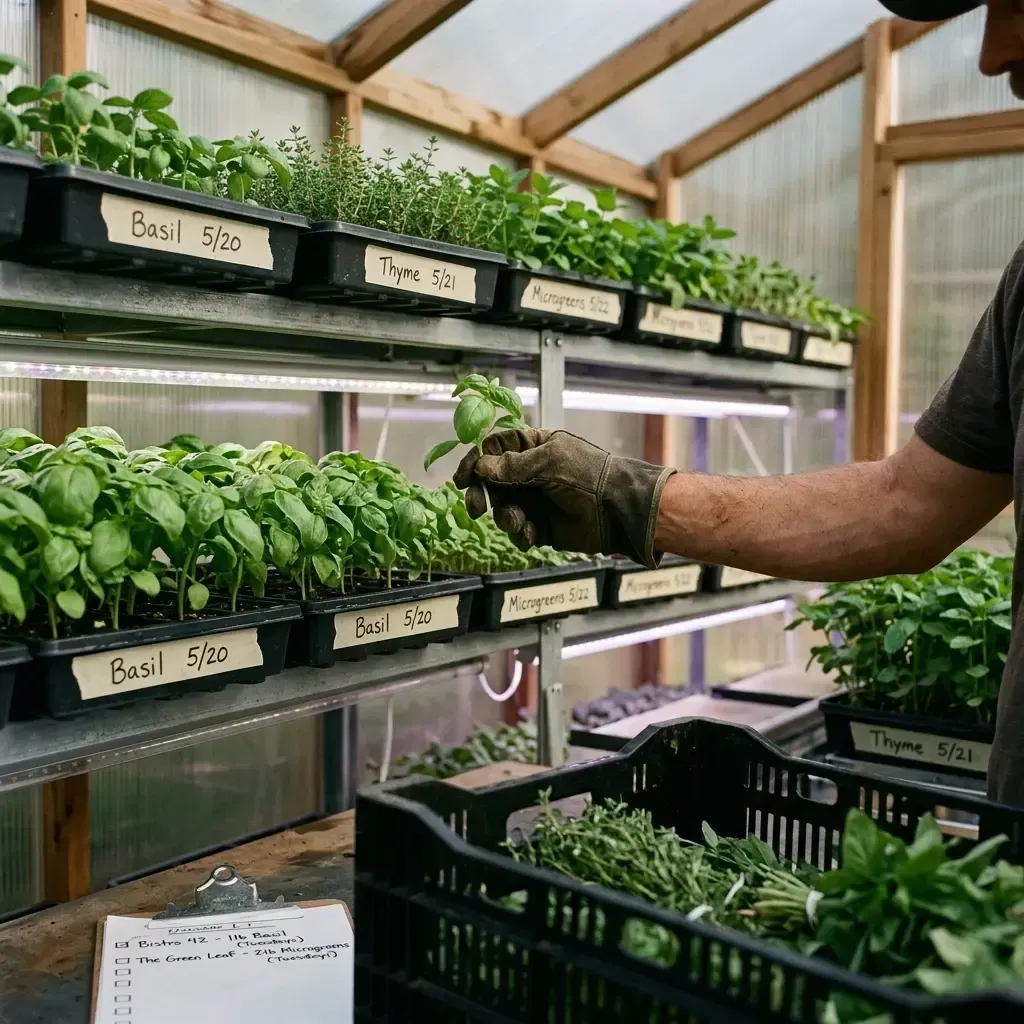
One grower treated their greenhouse like a seasonal garden, rotating crops based on interest and availability. Income was inconsistent. Then a local restaurant owner said something that changed everything:
"I don't need variety. I need the same fresh herbs every week without fail."
That single comment reframed the entire operation. Instead of planting in batches based on preference, the grower mapped out production cycles, staggered planting schedules, and tracked yield per square foot.
The greenhouse stopped being a place to visit. It became a system to manage.
Output stabilized. Relationships with buyers strengthened. The business side finally caught up with the growing side in a way that made the entire operation predictable and scalable.
The Revenue-Killing Assumptions

Most revenue problems show up before a single seed is planted. They come from thinking like a hobbyist instead of a supplier.
Believing variety equals value. Too many crops spread attention thin and create inconsistent output. This makes it hard to fulfill repeat orders and build dependable relationships with buyers.
Assuming growing is the hard part and selling will figure itself out later. Demand should be defined first. Without a clear buyer and a consistent need, even a great harvest turns into unsold inventory.
Planting everything at once instead of staggering cycles. This leads to feast-or-famine harvests where you either have too much product at once or nothing to sell the following week.
Treating space casually instead of measuring yield per square foot. This quietly limits how much revenue the greenhouse can actually produce.
Thinking small scale automatically means low pressure. Small operations have to be even more precise because there's less margin for error.
The entrepreneurs who struggle approach it casually. The ones who succeed treat every square foot, every crop cycle, and every customer commitment like part of a system that has to perform consistently week after week.
Define Demand Before You Invest a Dollar
The real first move is having direct conversations with potential buyers before you grow anything.
Demand in this space isn't theoretical. It's specific, recurring, and tied to consistency.
Start by asking local restaurants, grocers, or market vendors simple but revealing questions:
"What do you struggle to source consistently?"
"What do you reorder every week?"
"What would you buy locally if someone could supply it reliably?"
The goal isn't to pitch. It's to listen for patterns in what they already need on a repeat basis.
The moment you hear the same item come up multiple times—basil, microgreens, starter plants—and especially when someone says they would commit to buying it weekly, you've identified real demand.
Go one step further and get a soft commitment. Even something informal like "if I can deliver this every Tuesday, would you take it?"
That single conversation does more to validate a business than any amount of planning or building.
Now instead of guessing what might sell, you're designing your greenhouse around a known need. Every decision from layout to crop selection to production scheduling is anchored in actual revenue, not assumption.
The Gap Between Conversation and Delivery

When someone hears "I'd buy basil every Tuesday," most people underestimate what that actually means.
The gap isn't about growing the plant. It's about building the discipline and consistency behind delivery.
That simple commitment translates into a system that has to perform on a schedule without fail. You're not just planting basil. You're committing to planting cycles that overlap, dialing in germination timing, managing growth rates based on temperature and light, and making sure you always have product at the exact stage your customer expects every single week.
People grow in batches instead of in a pipeline. They end up with too much one week and nothing the next. Trust breaks immediately.
They also underestimate post-harvest handling. Washing, packaging, and delivering in a way that meets a restaurant's standard. From the buyer's perspective, consistency in quality matters just as much as consistency in supply.
Then there's the operational side. Tracking yields, adjusting for seasonal changes, and having backup plans when something doesn't grow as expected.
Reliability isn't about perfection. It's about being prepared for variation.
The conversation feels simple. Delivering on it requires thinking like a system operator, where every week is a promise you have to keep.
Master Crop Scheduling First
If you have zero agriculture background, there's one system to master first: crop scheduling.
This is the engine that turns a greenhouse from something that grows plants into something that produces reliable income. Without it, everything else falls apart no matter how good the setup is.
Beginners plant everything at once and then react to whatever happens. A real system operator works backwards from demand and builds a repeatable cycle.
If a customer wants basil every Tuesday, you're not planting basil once. You're planting it in staggered intervals so there's always a fresh batch ready at the exact right stage week after week.
This requires understanding:
How long each crop takes from seed to harvest
How environmental factors like temperature and light can speed up or slow down growth
How to overlap batches so you never have gaps in supply
You start tracking simple but critical numbers: how many trays or plants you need per week, how much space they take up, and how yield translates into actual orders.
Once you understand crop scheduling, everything else becomes clearer. Layout, equipment, even what to grow. You're not guessing. You're building around a predictable output.
That's when the greenhouse stops being an experiment and starts behaving like a real production system that can generate consistent revenue.
Scale Without Adding Space
The smartest way to scale isn't by adding more space right away. It's by squeezing more consistency and value out of the space you already have.
Once you've proven you can deliver reliably, turn that one Tuesday basil order into a repeatable template you can stack.
The next move is duplicating the same system for a second and third buyer. Not by growing different things, but by increasing volume of the same high-demand crop. That's where efficiency lives and where mistakes drop.
At the same time, layer in fast-turn, high-margin crops like microgreens or starter plants that grow in shorter cycles and can fit into unused space between your main production batches. This boosts revenue without requiring expansion.
Microgreens can sell for $20 to $50 per pound, with some growers reporting $5,000 to $20,000+ monthly depending on scale and market demand.
Tighten your scheduling to reduce downtime between harvests. Make sure every square foot is producing something at all times instead of sitting idle.
Then look at increasing order value per customer. Maybe bundle basil with another herb or offer a slightly larger weekly quantity once you've built trust. Growing revenue with existing customers is easier than constantly finding new ones.
You're scaling a proven system, not experimenting with new variables. Risk stays low while output grows. By the time you actually need a larger greenhouse, you're not guessing anymore. You're expanding something that's already working and already generating consistent cash flow.
When Diversification Strengthens Versus Dilutes

Most people think in terms of products when they should be thinking in terms of systems and constraints.
Microgreens, herbs, starter plants—they look like different businesses. Operationally they can either plug into the same system or completely fracture it.
The difference comes down to one question: Does this new product ride on top of my existing workflow, or does it force me to build a new one?
When diversification strengthens your system
A new product line makes you stronger when it does three things:
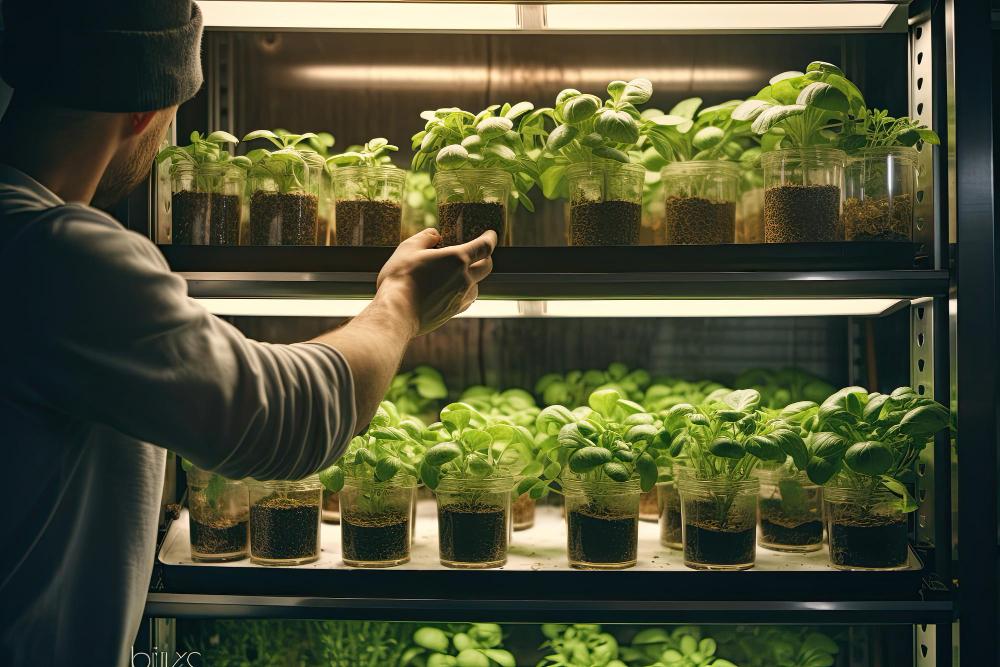
Uses the same infrastructure. If you're already growing basil, adding microgreens works because you're using the same greenhouse, same watering habits, same general environment. You're not reinventing anything. You're just stacking output on top of what already exists.
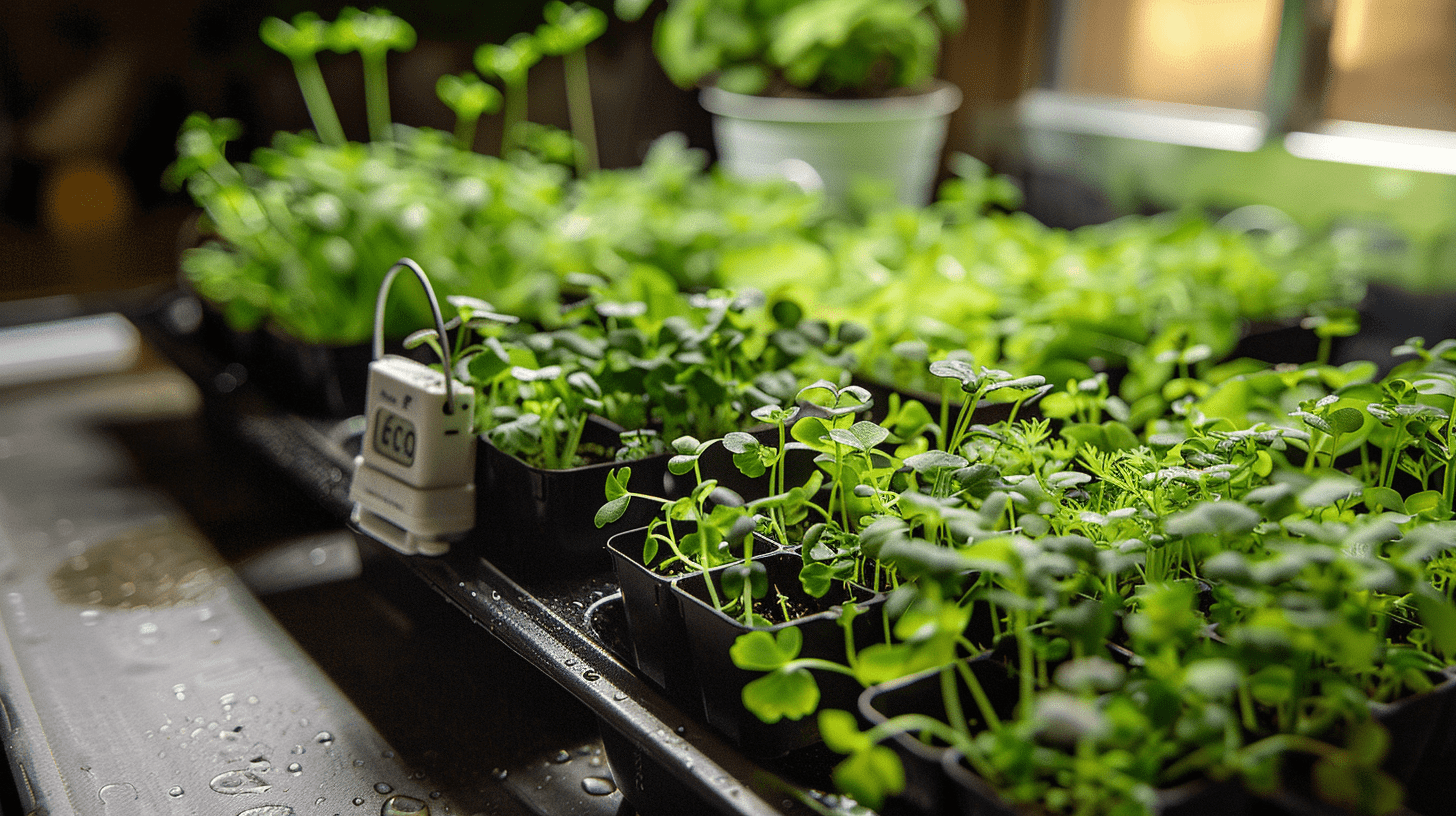
Fits into your existing schedule gaps. Basil might take 4-6 weeks. Microgreens take 7-14 days. While basil is growing, microgreens are cycling. While one crop rests, another is producing. You're turning dead time into revenue time.
Sells to the same customer. If your customer already buys basil every Tuesday, and you say "want microgreens with that?" you're not creating a new business. You're increasing order value. But if you have to find new buyers, learn new sales channels, and change your delivery model, you've created a second business, not a stronger one.
When diversification kills momentum

It becomes dilution the moment it breaks your system.
Different environment requirements. Herbs need stable, moderate conditions. Tomatoes or strawberries need totally different demands. Now you're juggling climate zones instead of scaling output.
Different timing logic. If one crop is predictable (weekly harvest) and another is inconsistent, you lose scheduling clarity, delivery reliability, and customer trust. That production system starts turning back into guesswork.
Different customer type. Selling to restaurants (consistent, volume-based) versus farmers markets (variable, demand-based) are two completely different businesses with different pricing strategies, risk profiles, and time commitments.
Good diversification equals vertical expansion. Bad diversification equals horizontal distraction.
Vertical means "How do I make more money from the same system, same space, same customer?" Horizontal means "What else can I try?"
One builds momentum. The other resets it.
Biblical Stewardship That Translates to Revenue

Stewardship isn't just a feel-good concept. It's about managing every resource in your greenhouse as intentionally as a business owner would.
When done well, it directly translates into measurable profit.
Every square foot and every hour spent in the greenhouse is treated like a capital asset. You're asking: "How can this bed of basil, this rack of microgreens, this single tray of starter plants produce maximum value week after week?"
That means carefully planning crop cycles, staggering plantings, minimizing waste, and ensuring nothing sits idle or overproduced.
On the financial side, stewardship shows up in predictable revenue streams. Relying on recurring customer commitments rather than chasing one-off sales. Honoring promises to buyers builds trust and repeat business, which compounds income over time.
It also shows up in resource efficiency. Using water, nutrients, and energy intentionally, not extravagantly. Cost per unit drops while quality stays high.
Stewardship reframes profit as a byproduct of disciplined, thoughtful management.
The more faithfully you treat your greenhouse like a system to be cared for, optimized, and aligned with real customer demand, the more revenue grows naturally.
It's biblical in principle because you're being faithful with what's entrusted to you. It's practical in outcome because that faithfulness manifests as consistent, scalable income instead of sporadic or wasted effort.
Escaping the Maze and Entering the Matrix

The maze is all the things that distract beginners from thinking in terms of a repeatable system.
People wander from crop to crop, chasing trends, experimenting with whatever seems interesting, trying to find buyers after the fact, and constantly reacting to problems instead of controlling them.
In that maze, every decision feels disconnected. Planting schedules don't align with customer needs. Harvesting overlaps or leaves gaps. Delivery is inconsistent. Revenue fluctuates unpredictably.
People often chase "more space, more crops, more variety" without ever mastering the foundational flow. That's what keeps them trapped in endless work for minimal payoff.
Breaking free from the maze flips the entire picture.
Suddenly the greenhouse operates as a controlled production system, where every square foot, every planting cycle, and every customer commitment is planned and predictable.
The matrix that emerges is layered yet elegant: crop cycles staggered to deliver fresh product weekly, overlapping microgreens or starter plants filling downtime, recurring customer orders driving scheduling, and efficiency metrics like yield per square foot and per labor hour tracked and optimized.
In this space, revenue isn't random. It's visible, repeatable, and scalable.
The maze's chaos is replaced by a grid where growth, cash flow, and trust all intersect. What used to feel like endless work becomes a system that produces consistent output, maximizes space, and actually honors both the grower's time and the market demand.
That's where the entrepreneurial greenhouse stops being a hobby and starts functioning like a small, profitable enterprise.
The Unfair Advantage of Small Operators
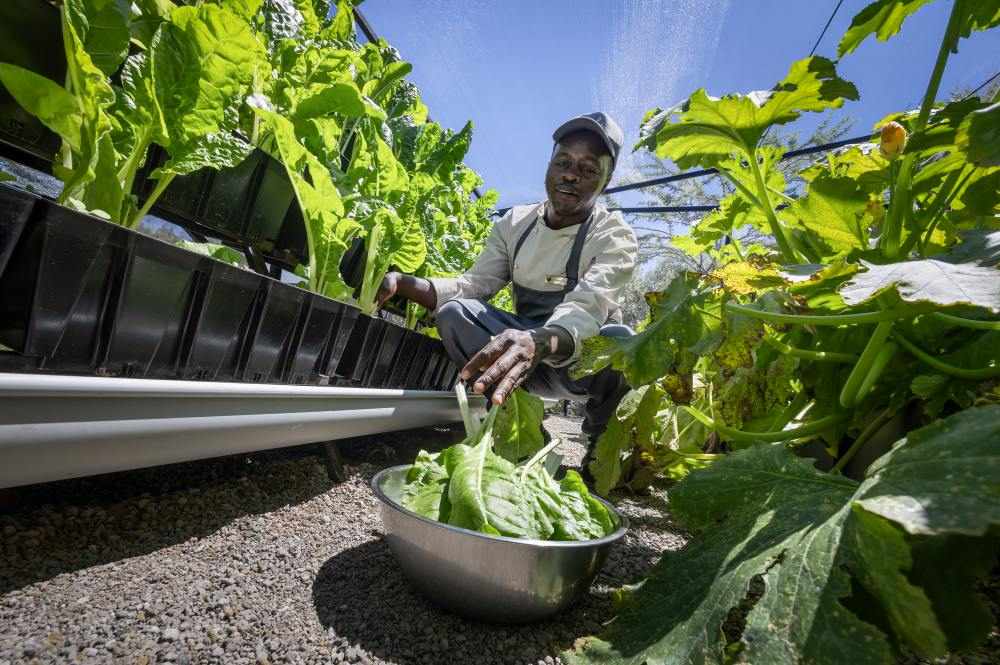
The entrepreneurs with the real unfair advantage right now are the small, nimble operators who can treat their greenhouse like a high-touch, hyper-local production system.
Big industrial growers can't replicate this without massive overhead.
Small operators understand demand first, can pivot quickly, and deliver consistently to a handful of local restaurants, grocers, or CSA customers. They aren't competing on scale. They're competing on reliability, customization, and relationships.
They can stagger plantings to match exactly what each buyer wants, harvest and deliver on precise schedules, and respond to feedback immediately.
Big operations are optimized for volume, not nuance. Their systems are rigid. They can't shift a crop cycle mid-season or adjust packaging and delivery to a single buyer's exact preferences without disrupting the entire network.
Meanwhile, a small operator can maximize every square foot, use fast-turn crops like microgreens to fill gaps, layer product offerings for recurring customers, and scale revenue without ever needing a warehouse-sized greenhouse.
The unfair advantage comes from flexibility, responsiveness, and operational focus, combined with local relationships. These give side hustlers and small business owners the ability to extract disproportionate revenue from the same space that would feel insignificant to a massive grower.
Realistic Year-One Revenue Targets

For a side-hustle greenhouse operator starting small, the realistic first-year revenue target isn't about hitting six figures immediately.
It's about proving the system works and building a foundation for predictable cash flow.
Most successful beginners aim for $1,500 to $3,000 per month in recurring sales within the first year. This might look like delivering one or two high-demand crops—basil, microgreens, or starter plants—to a handful of consistent local buyers each week.
Hitting that range demonstrates that crop scheduling, delivery reliability, and customer relationships are all functioning as a system rather than a hobby. It covers costs while leaving a modest profit that validates the approach.
It's not flashy, but it's measurable. If you can reliably generate $2,000 per month from a greenhouse the size of a typical backyard setup, that's proof the model works.
Every additional crop, buyer, or square foot scales from a proven baseline rather than a guessing game.
At this stage, revenue is less about large numbers and more about repeatability, predictability, and confidence. You're showing that your production system is actually producing both product and income consistently.
That's what allows a side hustle to evolve into a real business.
Scaling Beyond Personal Income

Scaling beyond personal income starts with codifying the system that made the small operation work so it's not dependent on one person's time or memory.
For a greenhouse, that means documenting crop schedules, planting cycles, harvesting procedures, delivery routines, and customer communication in a way that anyone can follow.
Once the system is repeatable, you can bring on part-time helpers or apprentices to handle planting, harvesting, or packaging without breaking the rhythm. This allows the operation to grow output and revenue without losing reliability.
At the same time, you expand impact by duplicating the same model with additional greenhouses or satellite locations, always keeping the same principles: predictability, recurring customers, and efficient use of space.
The key is that growth doesn't come from chasing variety or volume for its own sake. It comes from increasing the number of reliable production units and relationships served, so every new customer or new square foot reinforces the system rather than complicates it.
By scaling in this measured way, you can generate meaningful income, employ others, and build toward a mission—whether that's supplying your community with fresh produce, teaching others to grow, or building a local food network—while maintaining the agility, attention to quality, and operational discipline that made the business successful in the first place.
The growth amplifies the original impact rather than diluting it, letting the small greenhouse operation become both a business and a platform for influence.
What's Coming Next
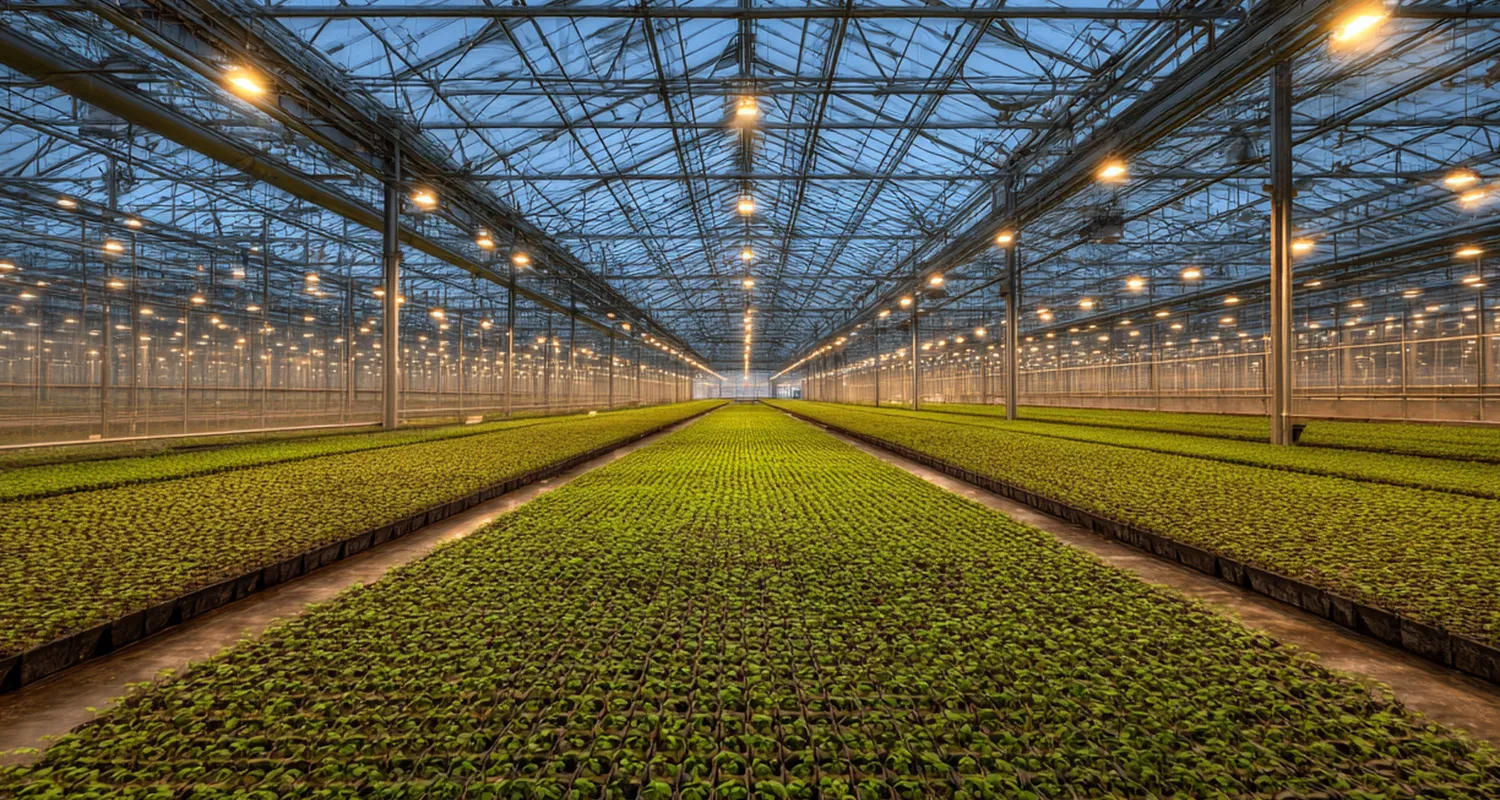
The urban farming market reached $135.42 billion in 2023 and is projected to hit $212.72 billion by 2031.
Over the next 3-5 years, the shift most entrepreneurs aren't paying attention to yet is the mainstreaming of controlled environment agriculture beyond early adopters.
Right now, the market is dominated by people who already understand sustainability, food systems, and self-sufficiency. But as food prices continue climbing and supply chain vulnerabilities become more visible, a much larger wave of mainstream consumers will enter this space.
They won't have the same knowledge base. They'll need more support, more education, and more turn-key solutions.
The entrepreneurs who position themselves now as educators, consultants, and system designers—not just growers—will capture that incoming demand. The opportunity isn't just in producing food. It's in teaching others how to produce food reliably.
That means building content, creating courses, offering consulting services, and developing simple systems that beginners can follow. It means shifting from "I grow microgreens" to "I help people build profitable microgreen operations."
The greenhouse business opportunity is expanding from production to education, from supply to systems, from doing to teaching.
Position for that shift now, and you'll be ready when the mainstream wave arrives.