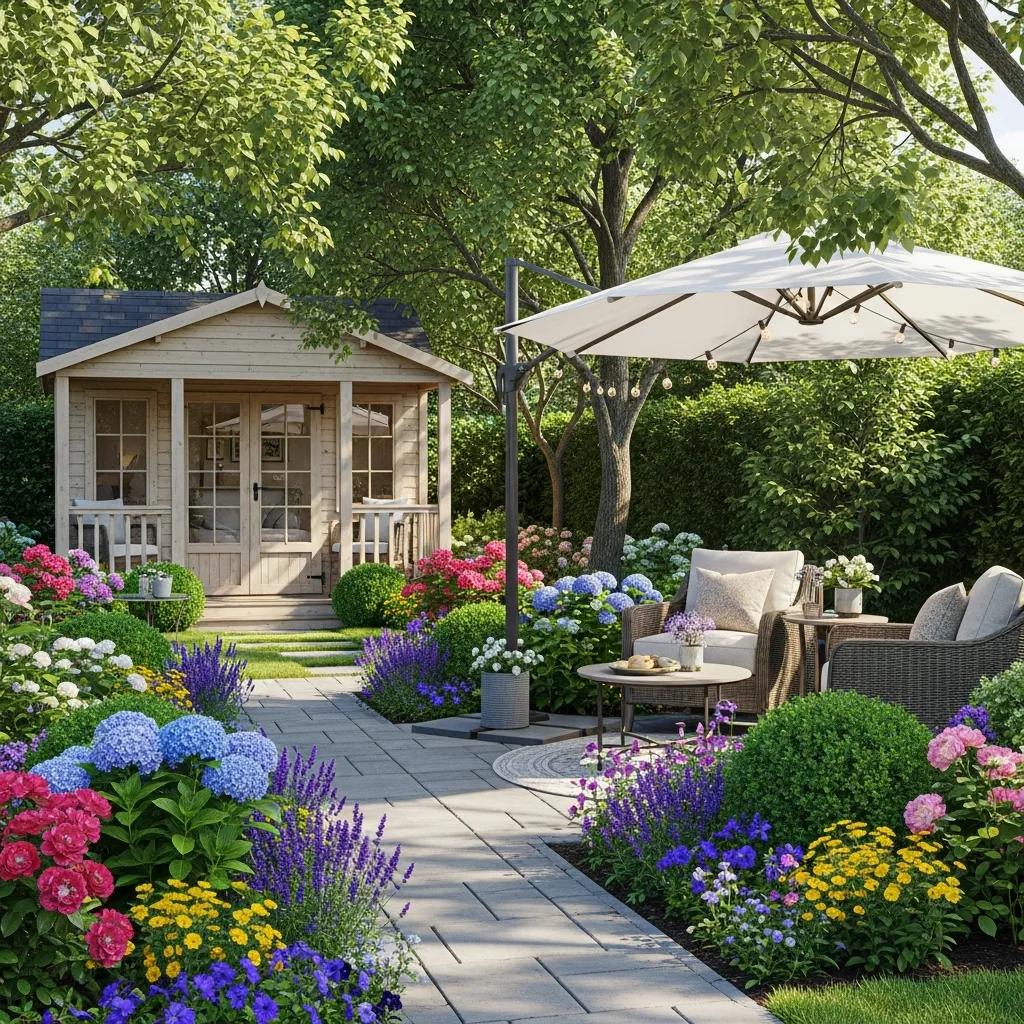
Top Tips for Selecting Your Perfect Garden House
How to Choose the Perfect Garden House for Your Backyard Oasis: A Complete Guide to Backyard Shed Designs and Garden Storage Solutions

Creating a backyard oasis often involves the addition of a garden house, which serves as both a functional space and a charming aesthetic feature. This comprehensive guide will help you navigate the various options available, ensuring you choose the perfect garden house that complements your outdoor space. Readers will learn about different types of garden houses, materials, installation processes, essential features, budgeting strategies, and maintenance tips. By addressing common concerns and providing practical solutions, this article aims to empower you to make informed decisions. We will explore the types of garden houses, the best materials for durability and style, how to prepare for installation, essential features, budgeting tips, and maintenance practices to ensure your garden house remains a cherished part of your backyard for years to come.
What Are the Different Types of Garden Houses and Backyard Shed Designs?
Garden houses come in various designs, each tailored to specific needs and aesthetics. Understanding the different types can help you select the one that best fits your backyard oasis. Common types include wooden garden houses, metal garden houses, and prefab garden houses, each offering unique benefits and drawbacks.
How Do Wooden Garden Sheds Compare to Metal and Prefab Garden Houses?

Wooden garden sheds are often favored for their natural appearance and versatility in design. They can be customized easily and provide excellent insulation. However, they require regular maintenance to prevent rot and pests. In contrast, metal garden houses are durable and resistant to weather conditions, making them low-maintenance options. They may lack the warmth of wood but offer a modern aesthetic. Prefab garden houses are designed for easy assembly, often coming with pre-cut materials and instructions, making them ideal for DIY enthusiasts. Each type has its own durability, cost considerations, and aesthetic differences, allowing homeowners to choose based on their specific needs.
What Are the Benefits of Prefab Garden Houses for Easy Assembly?
Prefab garden houses offer several advantages, particularly in terms of assembly and time savings. These structures are designed to be user-friendly, often allowing for setup in just a few hours. This convenience is ideal for those who may not have extensive construction experience. Additionally, prefab options can be cost-effective, as they often come with all necessary components included. Customization options are also available, enabling homeowners to select features that suit their style and functional requirements.
Which Garden House Materials Are Best for Durability and Style?
Choosing the right materials for your garden house is crucial for ensuring both durability and aesthetic appeal. The materials you select will impact the longevity of the structure and how well it integrates into your backyard design.
Research emphasizes the importance of material durability in construction, highlighting how different choices impact a structure's lifespan.
Selecting Durable Materials for Garden House Construction The first objective of this paper was to compare the durability of distinctively old and new construction materials and technologies used in the vernacular houses in a context of northern Iran. The second objective was to search implicit values behind making decisions regarding durability. How significant is durability in vernacular house construction?, TH Khan, 2016
What Are the Pros and Cons of Wood, Metal, and Plastic Garden House Materials?
Different materials offer distinct advantages and disadvantages.

Understanding these pros and cons can help you make an informed decision based on your specific needs and preferences.
How Do Sustainable Materials Enhance Your Garden House Choice?
Sustainable materials, such as reclaimed wood or recycled metal, not only contribute to environmental conservation but also add unique character to your garden house. These materials often have a lower carbon footprint and can enhance the overall aesthetic of your outdoor space. Additionally, using sustainable materials can lead to long-term cost savings, as they tend to be more durable and require less maintenance over time. The aesthetic appeal of sustainable materials can also elevate the design of your garden house, making it a standout feature in your backyard.
How Do You Prepare and Install a Garden House Foundation?
A solid foundation is essential for the longevity and stability of your garden house. Proper preparation and installation can prevent future issues related to settling or water damage.
What Foundation Types Are Suitable for Different Garden House Styles?
There are several foundation types suitable for garden houses, including concrete slabs, gravel pads, and wooden skids. Concrete slabs provide a sturdy base and are ideal for larger structures, while gravel pads offer good drainage and are easier to install. Wooden skids can be used for smaller, portable garden houses, allowing for flexibility in placement. Each foundation type has its own suitability based on the style and size of the garden house.
How Can You Ensure Proper Installation for Longevity and Stability?
To ensure proper installation, it is crucial to follow manufacturer guidelines and local building codes. Begin by leveling the ground and ensuring proper drainage to prevent water accumulation. Use quality materials for the foundation and consider reinforcing the structure with anchors or brackets for added stability. Regular inspections and maintenance can also help identify any issues early, ensuring your garden house remains secure and functional.
What Are Essential Features and Smart Options for Modern Garden Houses?
Modern garden houses can be equipped with various features that enhance their functionality and comfort. These features can transform a simple shed into a versatile space for gardening, hobbies, or relaxation.
How Can Insulation and Lighting Improve Year-Round Use?
Insulation is vital for maintaining a comfortable temperature inside your garden house, making it usable throughout the year. Proper insulation can help regulate heat during winter and keep the space cool in summer. Additionally, incorporating natural lighting through windows or skylights can create a bright and inviting atmosphere, enhancing the overall usability of the space. These features not only improve comfort but also increase the potential for year-round activities.
What Smart Features Are Emerging in Garden House Designs?
As technology advances, smart features are becoming increasingly popular in garden house designs. These may include smart lighting systems, climate control options, and security features that can be controlled remotely. Integrating these technologies can enhance the functionality of your garden house, making it a more versatile space for various activities. Homeowners can enjoy the convenience of managing their garden house from their smartphones, adding a modern touch to traditional designs.
A study further explores how integrating smart technology and botanical IoT can transform garden houses into advanced living environments.
Smart Garden Houses: Botanical IoT for Backyard Oasis First, we investigate the integration of smart home and botanical IoT for creating a better living environment to increase people’s quality of life. Then, we discuss the benefits of indoor greeneries for improving indoor living environment which leads a better physical health and mental health for home users. As greeneries are integrated into Smart Home 1.0, we propose an evolution from traditional smart home solution to Smart Home 2.0 to achieve the organic integration between users and greeneries. Smart home 2.0: Innovative smart home system powered by botanical IoT and emotion detection, M Chen, 2017
How Should You Budget and Plan for Your Garden House Purchase?
Budgeting for a garden house involves considering various factors, including materials, size, and additional features. Proper planning can help you avoid overspending while ensuring you get the best value for your investment.
What Are Typical Cost Ranges for Different Garden House Types and Materials?
The cost of garden houses can vary significantly based on type and materials. For instance, wooden garden houses typically range from $1,500 to $5,000, depending on size and customization. Metal garden houses may cost between $1,200 and $3,500, while prefab options can start as low as $800 and go up to $4,000. Understanding these cost ranges can help you set a realistic budget for your project.
How Can You Balance Quality, Style, and Budget Effectively?
Balancing quality, style, and budget requires careful consideration of your priorities. Opting for high-quality materials may increase initial costs but can lead to long-term savings through reduced maintenance and increased durability. Additionally, consider the style that best complements your home and landscape, as this can enhance your property's overall value. Researching various options and comparing prices can help you find the best fit for your budget without compromising on quality or aesthetics.
How Do You Maintain and Care for Your Garden House to Ensure Longevity?
Regular maintenance is essential for ensuring the longevity of your garden house. By implementing best practices, you can keep your structure in excellent condition for years to come.
What Are Best Practices for Garden House Upkeep and Repairs?
Routine maintenance tasks include inspecting for signs of wear, cleaning gutters, and checking for leaks. Regularly treating wooden surfaces with protective coatings can prevent rot and insect damage. For metal structures, ensure that any rust is addressed promptly to maintain structural integrity. Keeping the surrounding area clear of debris can also help prevent moisture buildup and pest infestations.
How Does Maintenance Vary by Material and Climate?
Maintenance requirements can vary significantly based on the materials used and the local climate. For instance, wooden garden houses may require more frequent upkeep in humid climates to prevent mold and rot, while metal structures may need rust prevention treatments in coastal areas with salty air. Understanding the specific needs of your garden house based on its materials and your local climate can help you develop an effective maintenance plan.